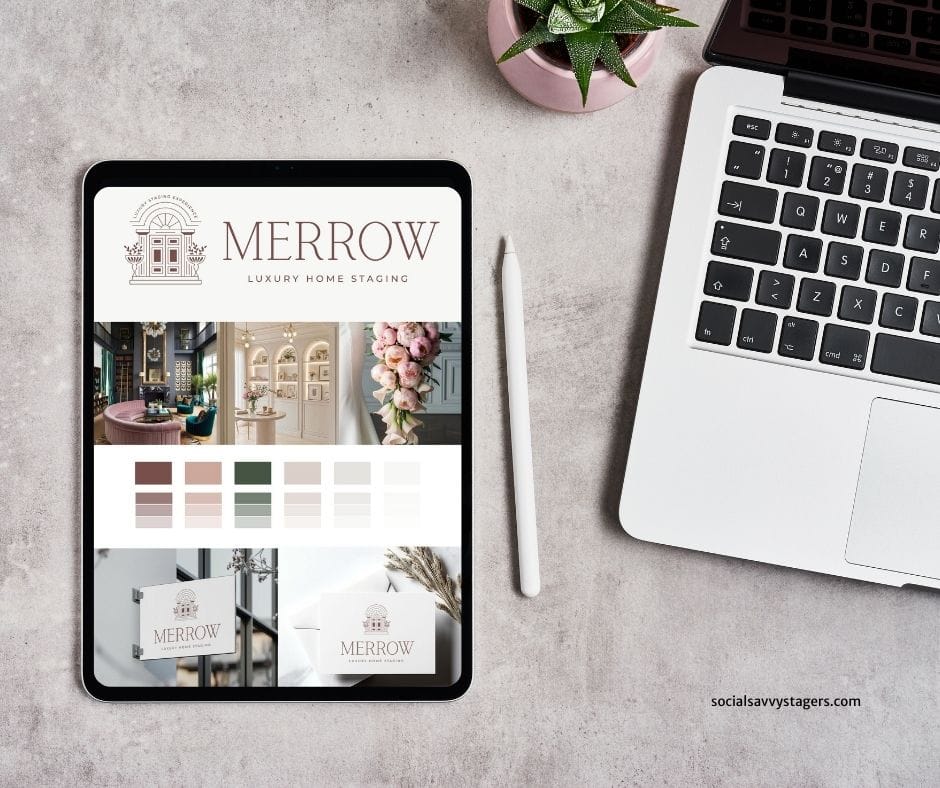




Most home stagers I speak with post consistently on Instagram. They share beautiful before-and-afters, behind-the-scenes moments, and staging tips. They show up, stay visible, and follow the generic advice they’ve been given on online marketing. And yet, when I ask how Instagram is working for them, the answer is usually the same: “I’m not getting leads. I don’t know if anyone’s even seeing my content.”
The problem isn’t effort or even the algorithm. It’s structure. Most stagers don’t understand that they need multiple types of content to reach their marketing goals. They weren’t taught that they need more than just pretty photos or property walkthroughs. And this is why they are posting the same type of content repeatedly, expecting it to do four completely different jobs. That’s why Instagram for home stagers feels harder than it needs to be and why results stay frustratingly inconsistent.
Why Most Stagers Struggle with Instagram Marketing
Within minutes of reviewing a stager’s Instagram, I can usually pinpoint why their content isn’t converting. The issue isn’t bad content—it’s the absence of a framework that makes Instagram marketing for stagers actually work.
When a before-and-after gets lots of likes but no DMs, it’s often because that post wasn’t designed to generate leads. When a staging tip gets zero saves, it’s usually because the format didn’t invite interaction. Every post needs a specific job. Without understanding what that job is, your entire social media content strategy falls apart.
Every post on Instagram has a specific job. Growth content brings new people in. Nurture content builds trust and positions you as an expert. Brand content creates connection. Conversion content drives action. When one of these is missing or overused, your entire Instagram marketing strategy falls apart.

After years of managing social media for staging brands, I developed a framework specifically for this industry around these four content types. It’s called the Connect + Convert Method, and I break it down in detail on the latest episode of The Social Stager Podcast.
The 4 Types of Content Every Stager Needs on Instagram
If you want Instagram to work for your staging business, you need to understand what each type of content is designed to do and how to balance them strategically.
Growth Content: What Brings New People In
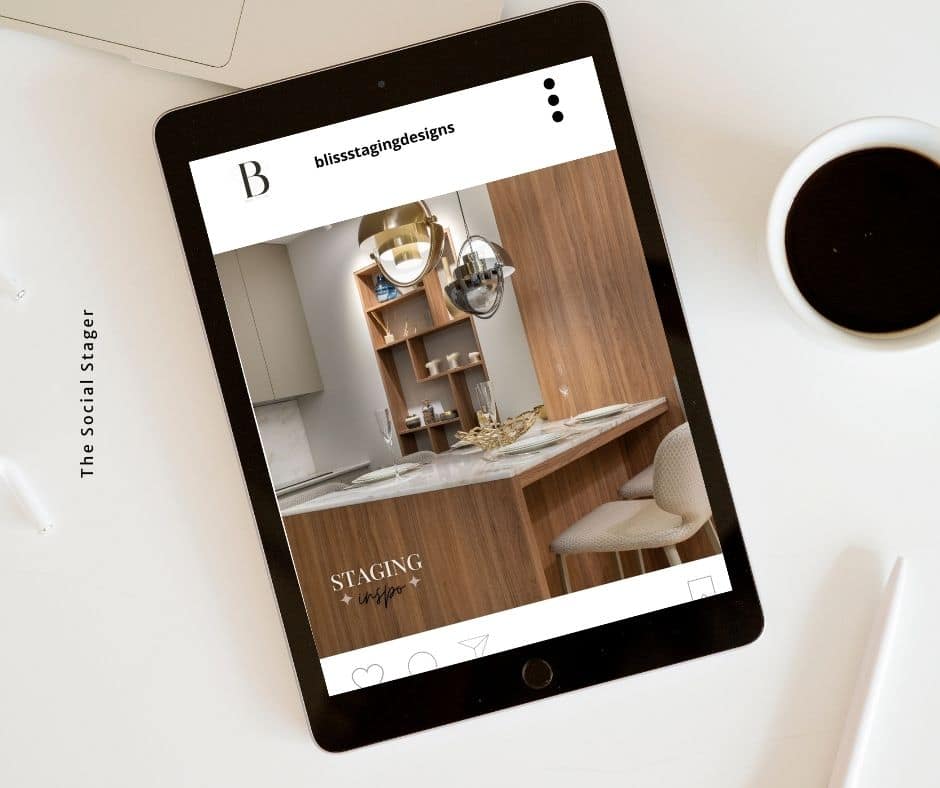
Growth content is designed to inspire, entertain, or make someone feel seen. This is the content people save, share, or send to a friend. It’s highly engaging, and when done right, it’s the type of content that gets your account in front of people who don’t follow you yet.
For home stagers, growth content includes before-and-afters, process videos, behind-the-scenes moments, and bold statements. A satisfying staging install. The chaos before the reveal. A spicy take on what realtors misunderstand about staging.

The biggest mistake: Pairing growth content with sales-heavy captions. A beautiful property walkthrough followed by “Book your staging consultation today!” undermines the entire purpose. Growth content should feel engaging, not transactional.
Growth content should feel native. The caption should add to the experience, not pivot to selling. Instead of “Book now,” try something like: “Loved this transformation? Follow me for more home staging inspo.”
When growth content has salesy captions, you undermine the entire purpose of that post. But when it’s done right, it expands your reach and introduces you to new audiences who actually need your services.
Growth content is designed to expand reach and introduce you to new audiences. Without it, you stay invisible.
Nurture Content: What Builds Authority and Trust
Nurture content is thought leader content. This is where most stagers play it too safe, repeating what everyone else says instead of sharing their perspective.
If all you’re doing is repeating what every other stager or marketing account is saying, you’re not building authority. You’re blending in. Nurture content is about perspective. This is where your opinion shows up. This is where you reframe the problem so your audience understands it.
Information says: “5 Tips to Prepare Your Home for Sale.” Insight says: “5 Mistakes Home Sellers Make When Getting Their Homes Market-Ready (and how to fix them).” One is helpful. The other reframes the problem and positions you as the expert.
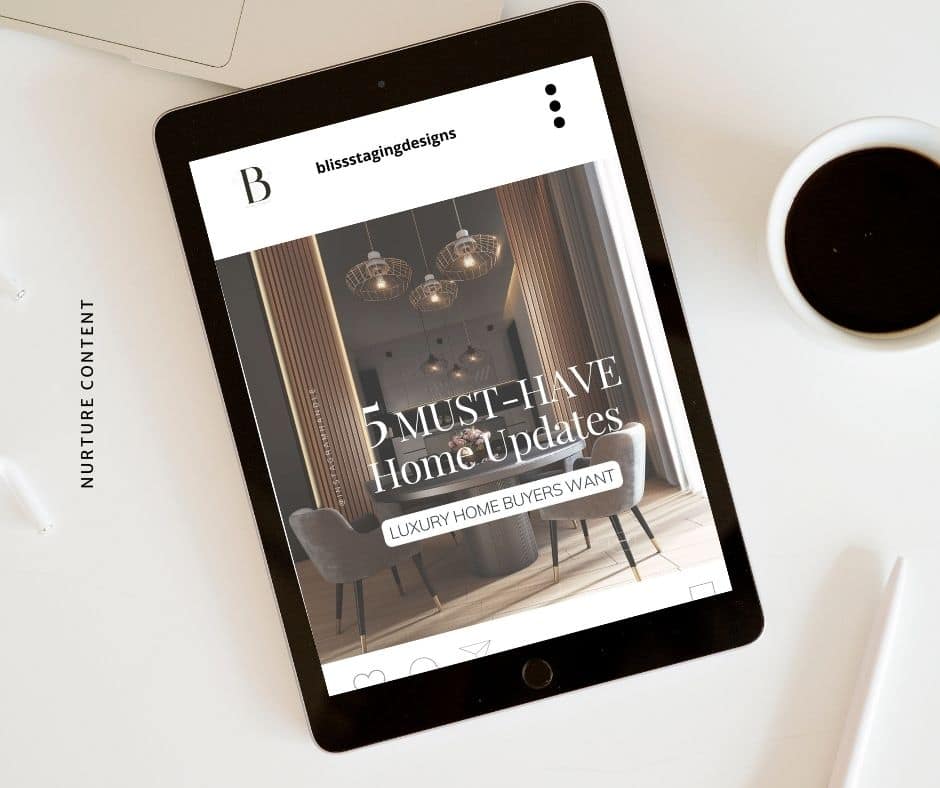
Nurture content lives in talking Reels, educational carousels, and posts that challenge common beliefs. A carousel explaining why homes sit on the market despite being priced right. A Reel breaking down the psychology of buyer decisions. A post that calls out staging myths.
When someone reads or watches your nurture content and thinks, “I’ve never thought about it that way before,” trust starts to build. And when they feel like you understand their challenges at a deeper level than anyone else, they start to see you as the person who can solve them.
Brand Content: What Creates Connection
Brand content humanizes your business. It shows your personality, your process, and what you care about. This is where connection happens.
People don’t just hire services—they hire people. When someone chooses between two stagers with similar experience and pricing, the deciding factor is often: Do they feel like they know you? Do they trust that working with you will feel good?
Brand content answers these questions.
Brand content can take many forms. Professional photos of you and your team, with captions that share your approach and values. Behind-the-scenes moments that show how you prep for an installation and what your warehouse looks like. Your philosophy around staging and why you approach things the way you do. Even moments where you get real about the harder parts of running a business.

Or maybe a reel sharing your brand story and how you got started in the staging business. What aspects of the business you’re passionate about and how you use those to provide an amazing experience for your clients. Or a detailed overview of your unique process and how that benefits your home staging clients.
These types of posts add depth and personality to your brand. They help your audience relate to you beyond the pretty rooms and transformations you create. This type of content often leads them to believe that working with you will deliver amazing results and be a great experience.
And, last but not least, brand content gives your audience another reason, beyond price, to choose you over your competitors.
When brand content is missing, your content might look polished but feel forgettable. People will struggle to feel connected to you as a person, not just a service. And that lack of connection means they’re less likely to reach out, less likely to refer you, and less likely to become loyal clients.
Conversion Content: What Drives Action
Conversion content proves your services get results. This looks like case studies, testimonials, success stories, and clear explanations of how your services work.
The balance problem: Some stagers overdo it—every post is “hire me, book now.” Their feed feels like a sales pitch. Others avoid it entirely, never providing proof or explaining what working with them entails. Then they wonder why nobody reaches out.
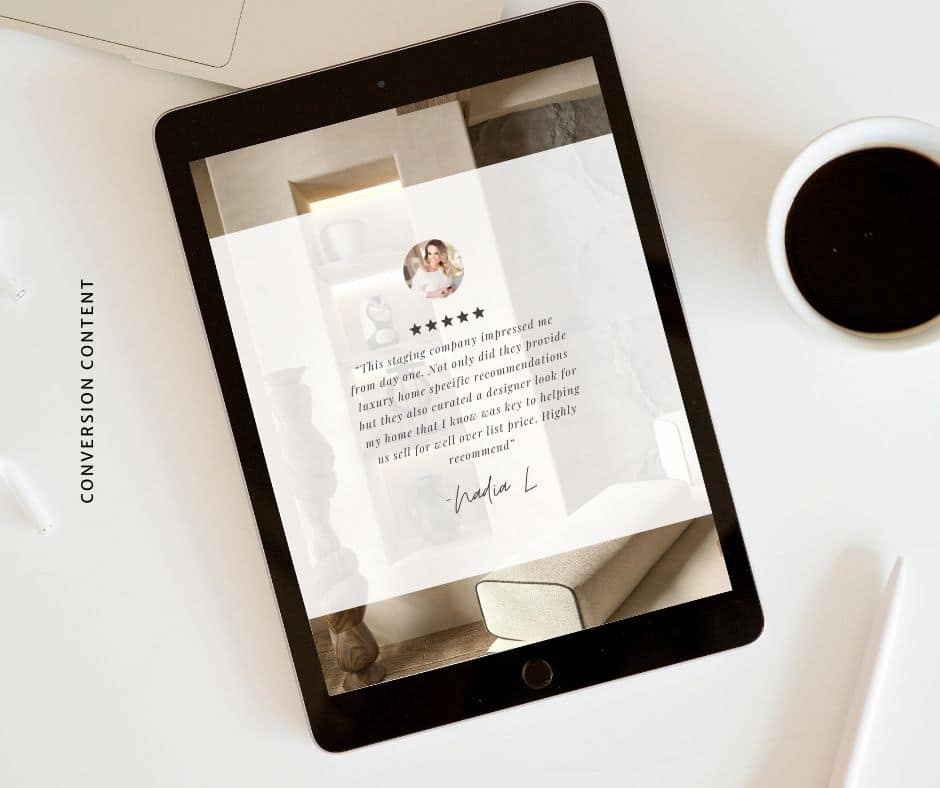
If you never show proof that your services work, people won’t see your value. It’s really that simple. And without this core piece of content, people won’t trust that hiring you is worth the investment.
Conversion content isn’t about being pushy or salesy. It’s about demonstrating your value and the results you get. You’re not begging people to hire you. You’re showing them what’s possible when they do. And when it’s done right, it doesn’t feel aggressive. It feels helpful.
How These 4 Content Types Work Together
Here’s the truth: you don’t need to post more. You need structure.
Growth content brings people in. Nurture content builds trust. Brand content creates connection. Conversion content drives action. When all four are balanced, marketing actually works.
Knowing the framework helps you reduce marketing overwhelm and the frantic “What do I post today?” question.
I used this framework with a large staging brand that was posting sporadically with sales-heavy captions and getting zero engagement. We built a content strategy that balanced all four types—talking Reels, educational carousels, behind-the-scenes videos, brand photography, property walkthroughs, and strategic testimonials.
The results? In two months, their reach increased by over 5,000%. Followers doubled. Engagement increased tenfold. And they generated two leads for major staging projects directly from Instagram.
That’s what happens when you stop posting randomly and start posting with intention. When every post has a clear job to do.
Instagram for Home Stagers: Where to get Support with Your Marketing
If content feels heavy, frustrating, or ineffective, here’s what I want you to hear. You’re not bad at marketing. You just don’t understand the framework that makes Instagram for home stagers actually work.
Once you understand what each type of content is supposed to do, everything gets clearer. You stop guessing what to post every day. You begin to feel confident in your marketing and start seeing consistent results.
Inside The Social Stager Club, every content plan follows this method. You’re not guessing what to post or why. It’s already mapped out for you. Every month, you get content ideas organized by type. You know exactly what each post is designed to do. And you can create your entire month of content in an hour or less.
Marketing doesn’t have to feel hard. It just has to have structure. And once you have that structure, everything else falls into place.